
How Does the Kids Jiu-Jitsu Belt System Work?
At Gracie Jiu-Jitsu – J3 Academy, we welcome children into our Kids Jiu-Jitsu program as young as 4 years old. Students remain within the kids belt ranking system until age 16, ensuring their training and progression are developmentally appropriate, safe, and effective.
Parents often ask whether children—sometimes as young as 12 years old—can begin training in our adult classes. We always encourage growth and are happy to provide opportunities for kids to challenge themselves in an adult setting when appropriate. That said, becoming a well-rounded martial artist also means learning how to train responsibly and respectfully with people of all ages, sizes, and experience levels.
For older children who hold higher ranks, we intentionally encourage training with younger and less experienced students as well. This helps reinforce leadership, technical understanding, and control—skills that are essential both on and off the mats.
Kids Jiu-Jitsu Belt System
The Kids Jiu-Jitsu Belt System is designed to provide a structured, age-appropriate progression that supports long-term development in Brazilian Jiu-Jitsu. Each belt level represents a stage of technical growth, understanding, and maturity, helping students build confidence and skill at a steady pace.
White Belt
The starting point for all students, with a strong emphasis on safety, fundamentals, and foundational movements.Grey Belt
Students begin refining basic techniques while being introduced to more advanced positions and transitions.Yellow Belt
Building on the grey belt foundation, students develop more complex techniques, combinations, and basic strategic awareness.Orange Belt
At this stage, students deepen their technical understanding and begin developing personal preferences in positions, movement, and problem-solving.Green Belt
The green belt represents a high level of proficiency and a well-rounded understanding of Brazilian Jiu-Jitsu. Students at this level demonstrate control, awareness, and consistency while continuing to refine their individual style.
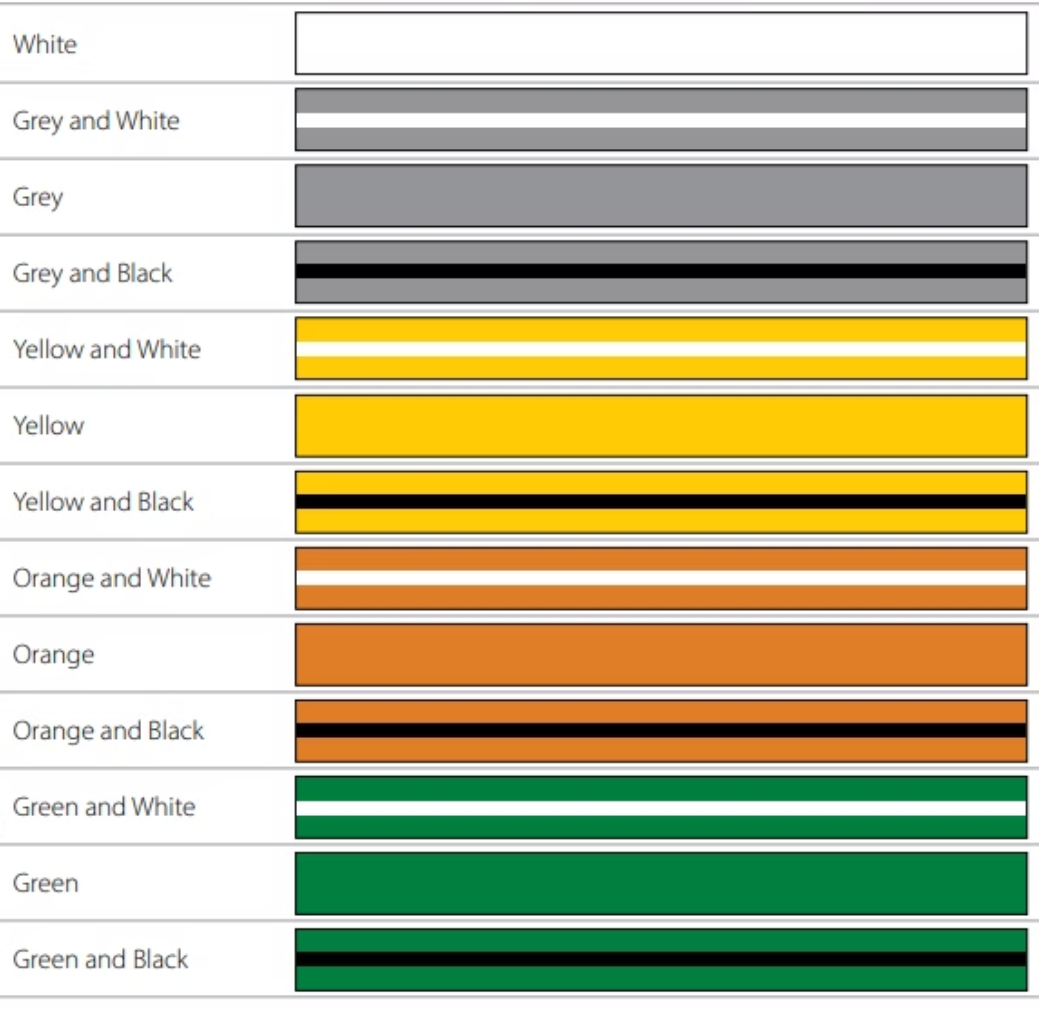
Striping System
Within each belt level, students can earn stripes as recognition for their progress. Stripes are typically awarded based on:
Consistent attendance
Technical improvement
Effort, attitude, and sportsmanship
Earning four stripes generally indicates readiness for promotion to the next belt level.
Time at Rank
Time spent at each belt level reflects more than technical skill. It also represents a student’s commitment, consistency, and overall development. Progression is intentionally structured to ensure students gain a well-rounded understanding of the curriculum before advancing. Brazilian Jiu-Jitsu belt progression is typically slower than most other martial arts, emphasizing depth, control, and long-term growth.
Skill Requirements
Advancement through the Kids Jiu-Jitsu belt system is based on a combination of:
Technical proficiency
Knowledge of positions and core concepts
Ability to apply techniques during live sparring (rolling)
Demonstrating focus, discipline, and respect for training partners
Regular attendance, active participation, and steady improvement are key factors in a student’s progression.